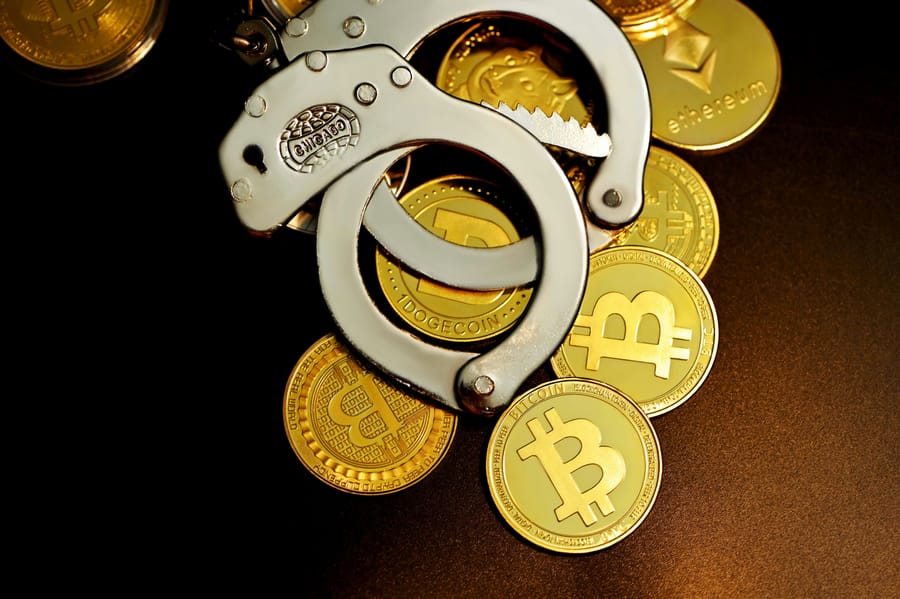
Cryptocurrency markets are experiencing significant price fluctuations and uncertainty in 2025 due to a surge in cybercrime, which has led to over $2.2 billion in theft during the first half of the year, including a $1.5 billion fraud linked to North Korea's Lazarus Group. Bitcoin has dropped from $106,000 to $83,000, while meme coins (popular, often humorous themed cryptocurrencies) have lost 56% of their value since December 2024, with analysts predicting a further decline to as low as $72,000 in the coming weeks, raising serious concerns about investor confidence and national security implications.
The uncertainty in cryptocurrency markets highlights deeper systemic issues that regulatory authorities struggle to address effectively. According to Mintology CEO Zach Burks, the current period clearly represents a crime season, and he criticised the effectiveness of the SEC and FCA in tackling cryptocurrency crime, arguing that their bureaucratic approach does little to recover stolen funds or enhance security. The expert advocates for a decentralised, community-led solution in which networks of independent investigators would track illicit transactions and restore trust in the industry. The total market value of crypto-assets has grown significantly since late 2020, and despite the 2022 downturn, it remains similar in size to the securitised sub-prime mortgage markets that triggered the 2007-08 global financial crisis, indicating its increasing potential impact on the global financial system.
The European Union is taking a leading role in regulating the sector with the introduction of the Markets in Crypto-Assets (MiCA) Regulation, which represents a first step towards more comprehensive regulation of cryptocurrency markets. The regulation covers issuers of unsecured crypto-assets and stablecoins, as well as crypto-asset trading platforms and digital wallets, with a particular focus on financial reserve management and investor information. However, the regulation does not cover many areas, including decentralised finance (DeFi) services and crypto-asset company groups. Cryptocurrency crime also poses a national security risk, prompting Burks to urge pragmatic industry leaders to develop solutions that protect investors without excessive government interference, while the European Central Bank warns that strengthening links between crypto assets and the traditional financial system could create new financial stability risks.
Sources:
 nikoletasdiplomacy.edu
 Meri Obstbaum
 European Central Bank