Stablecoins, which maintain value by pegging to the US dollar and operate on blockchain technology, have grown significantly in recent years, with the market reaching $230-256 billion in 2025 and projected by Standard Chartered to potentially grow to $2 trillion by 2028. In the United States, the recently passed GENIUS Act (the first federal regulatory framework for payment stablecoins) requires issuers to maintain 100% reserve backing for every stablecoin issued, resulting in Tether (USDT), the largest stablecoin issuer, becoming the seventh-largest buyer of US Treasuries in 2024 with $121 billion worth of Treasury bills, surpassing countries like Germany and Canada.
Stablecoins, which have existed since Tether's launch in 2014, are playing an increasingly important role as financial infrastructure, offering users various functions: they serve as a store of value, particularly in countries with volatile currencies; provide near-instant and cost-effective payment capabilities, which can reduce merchants' dependence on payment providers; and play a key role in decentralized lending protocols, which use smart contracts to eliminate the need for a central authority. Tokenization, of which stablecoins are a part, enables the transformation of traditional assets—such as bank deposits, stocks, bonds, funds, and even real estate—into crypto assets, and while many projects are still in their infancy, the technology may increase rapidly in coming years, especially in the US, where regulatory easing promoted by the Trump administration is facilitating a boom in the valuation of the cryptocurrency sector and the rapid growth of crypto-related securities.
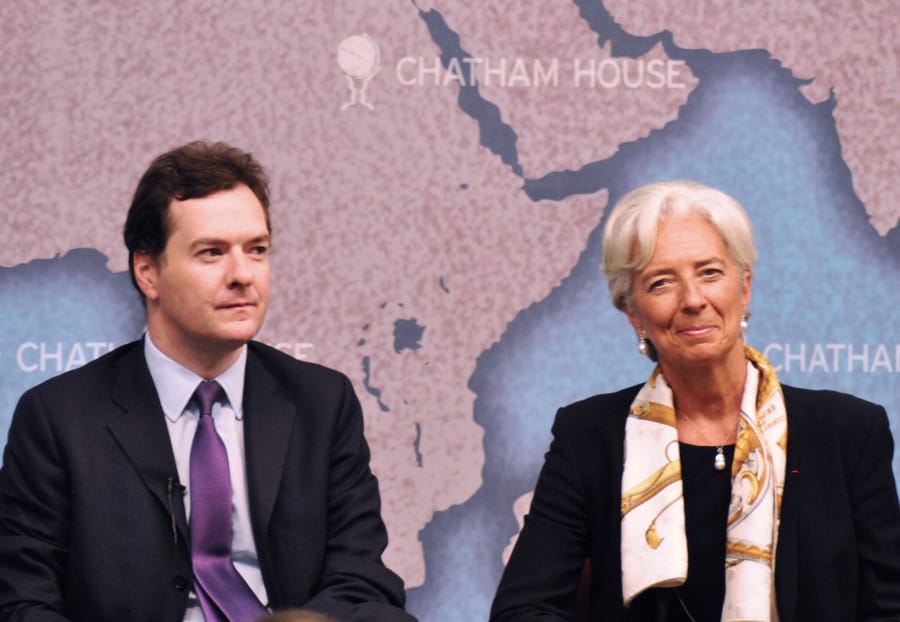
The growing adoption of stablecoins, however, is not without risks, with the biggest fear being the risk of de-pegging, when a stablecoin loses its 1:1 peg to the underlying currency, which led to the fall of the Terra Luna stablecoin, UST, in May 2022. Another risk is the counterparty risk associated with stablecoin issuers, as stablecoin balances are not insured by the Federal Deposit Insurance Corporation, meaning consumers can lose the entirety of their holdings should their issuer experience a credit event. Christine Lagarde, President of the European Central Bank, has warned that stablecoins pose risks for monetary policy and financial stability, while some industry critics warn that the frenzy around the new technology could introduce new systemic risks, especially in the absence of stringent regulation, and point out that there is no reason why blockchain should be any more efficient than the electronic ledgers and trading systems already used in financial markets.
Sources:
 The Economist
2.