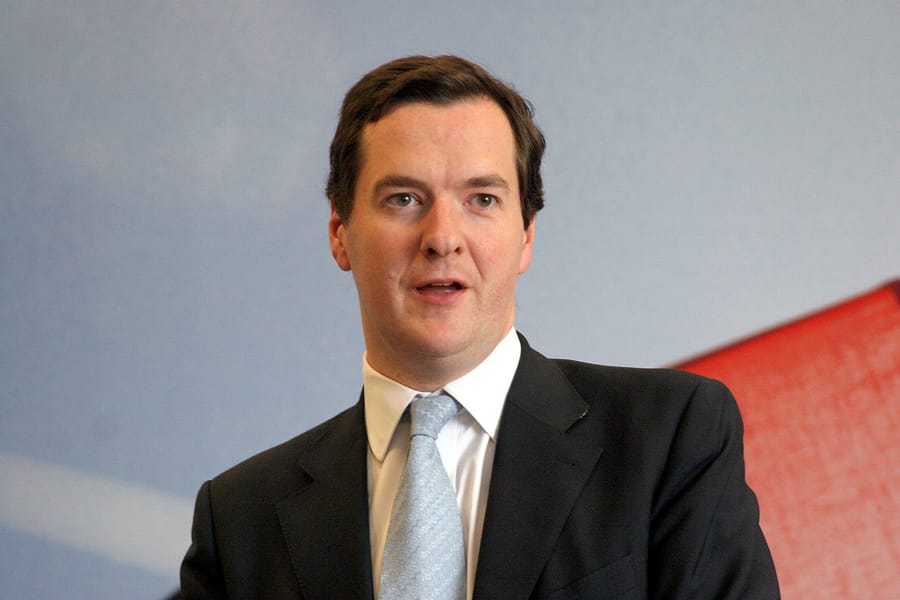
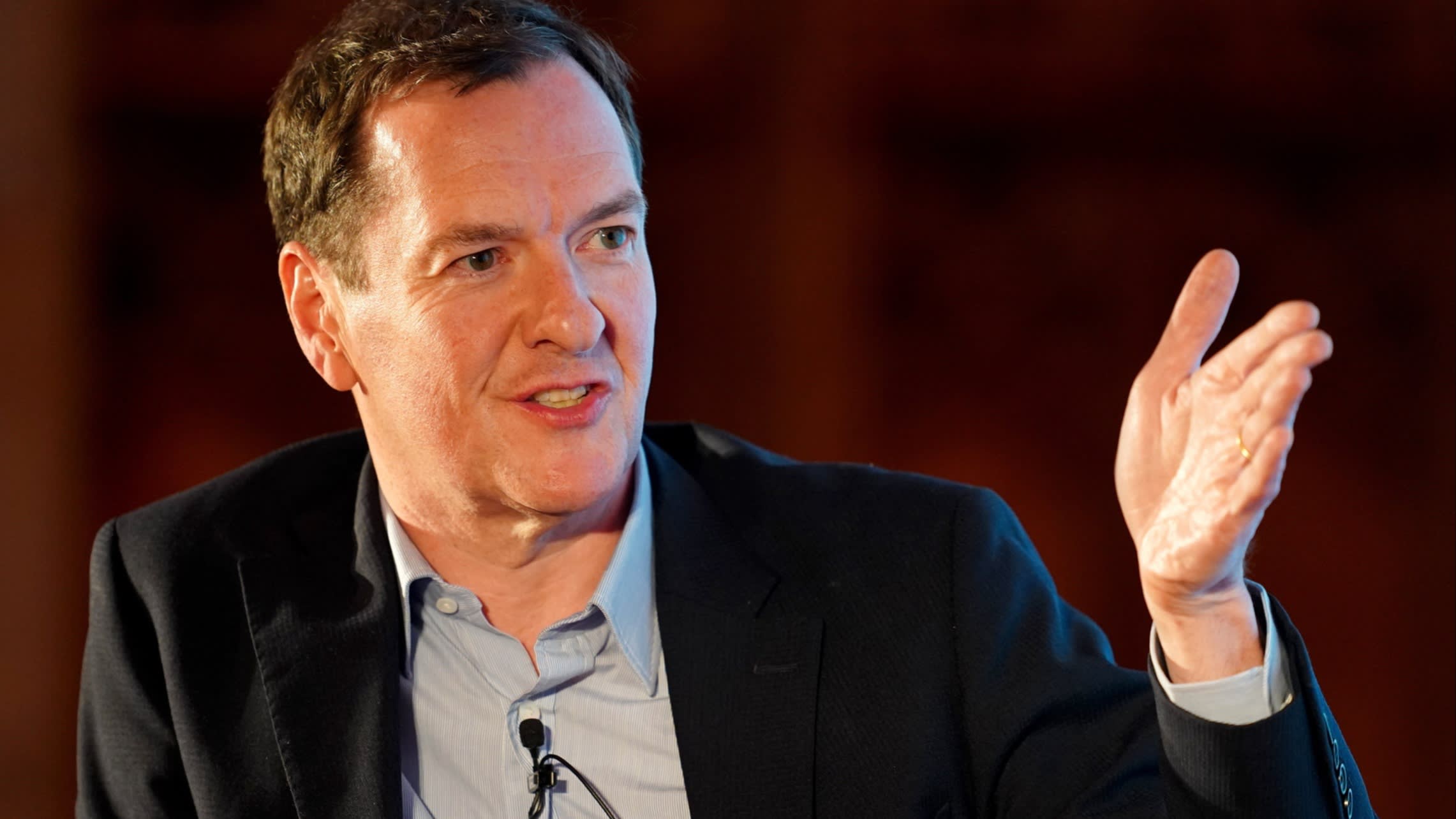
The United Kingdom has been left behind in the cryptocurrency boom and is in danger of missing a second wave, warned former Chancellor George Osborne on August 4th, who holds an advisory role at crypto exchange firm Coinbase. While Donald Trump's Genius Act opens the floodgates to stablecoin growth and proliferation - with the market likely to mushroom from around $250 billion today to more than $2 trillion in two to three years according to estimates - Andrew Bailey, the Bank of England governor, has strongly warned banks against issuing their own stablecoins.
Bailey, who is also the new chairman of the Financial Stability Board (FSB), argues that stablecoins introduce systemic risks to banking institutions that could destabilise the entire financial system, causing sovereign governments to lose control over their currencies. However, the Trump administration supports stablecoins, with US Treasury Secretary Scott Bessent stating they would extend US dollar dominance, ensuring the dollar remains the global reserve currency, while Federal Reserve Chair Jerome Powell has also voiced support for cohesive stablecoin policies in the United States.
Osborne argues that the UK's current approach ensures the pound won't even play a supporting role in the crypto revolution, while Singapore, Hong Kong and Abu Dhabi have adopted comprehensive legislative frameworks for crypto asset platforms. Financial expert Jeremy Warner warned on July 27th that financial deregulation is cyclical, and though the City indeed needs to replicate at least some of what the Trump administration is doing to remain a global financial centre, stablecoins involve Wild West trade-offs.
Sources:

Andrew Bailey cautions that privately-issued stablecoins could destabilize the financial system and erode sovereign control over currencies.
 Jeremy Warner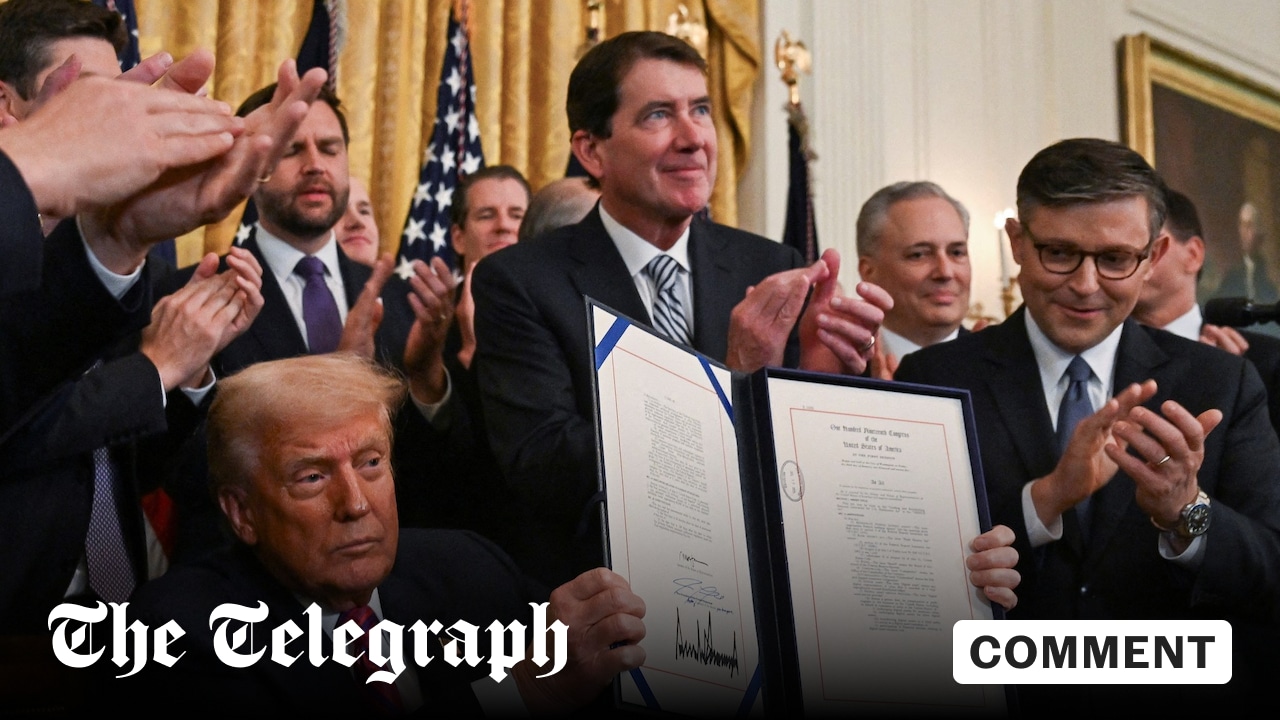

 Dan Milmo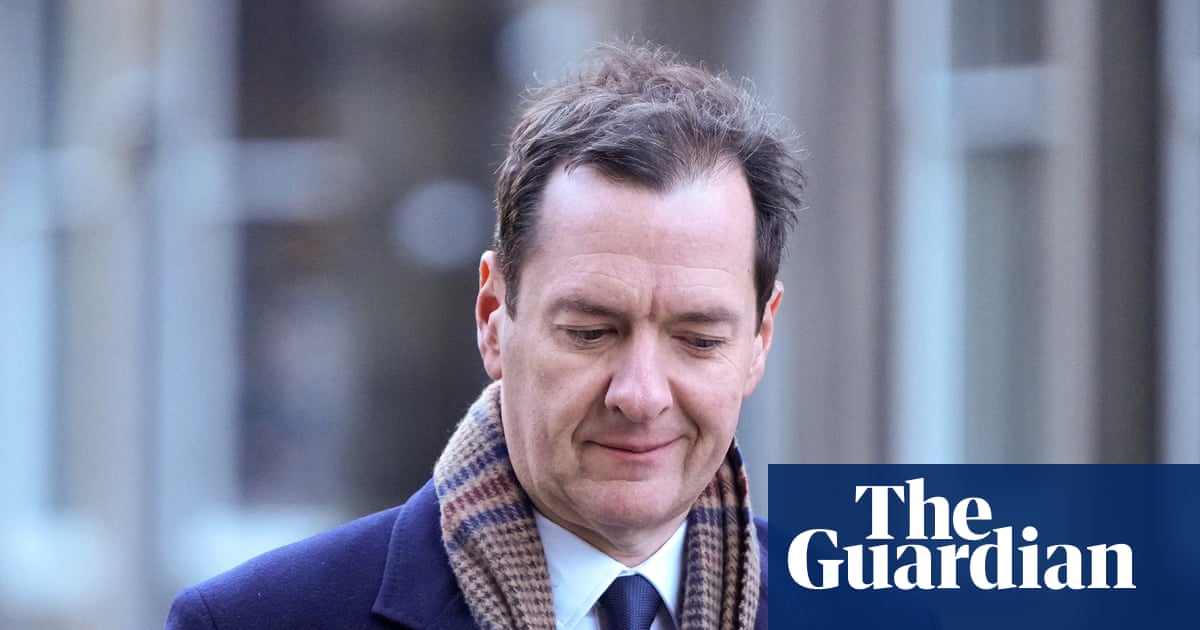
 Editorial